
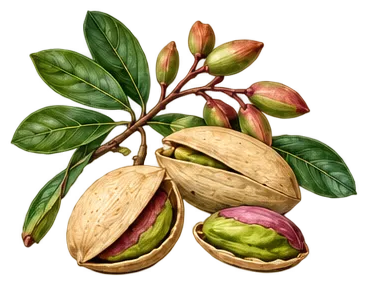
Good quality, different size fit
With the U.S. harvest nearly finished, harvest feedback describes the crop as good in general quality, with insect damage and staining both limited. Kernels are reported smaller. That makes customer fit more important than a broad quality label.
A smaller kernel is not automatically a poorer kernel. Equally, a clean-looking lot can fall outside the dimensions a snack customer requires. The harvest description is a first reading, not confirmation that a buyer’s specification is covered. What a supplier can offer depends on the dimensions of the actual lot.
Specification fit within tighter supply
The size discussion comes within a sharply smaller California crop than the record harvest in 2025. March heat and alternate bearing are the reported reasons for the production contraction.
Opening carryover into 2026/27 increased. Adjusted inventory includes carried stock and fresh receipts before shipments are deducted. Estimated marketable stock remaining after September shipments was nevertheless lower than in September 2025. The larger opening cushion has therefore not prevented a tighter remaining stock position.
September 2026 export shipments rose against September 2025, with stronger movement to Europe, Asia and the Middle East and Africa. Domestic shipments fell. Within domestic movement, open-inshell shipments were broadly unchanged, while kernels declined.
Strong exports show active overseas movement, but do not assure suppliers an outlet for every size or grade.
Ingredient uses change the size question
Ingredient customers can accept smaller kernels, broken material or paste where snack customers have different physical requirements. The application explains the difference. Confectioners use pieces in chocolate products and paste in fillings. Dairy manufacturers use chopped material as toppings and paste in ice cream, yoghurt and desserts.
Snacking still leads European pistachio use. The ingredient segment is smaller, but is described as expanding faster. Chinese trade feedback also points to strong interest in manufacturing material for bakery products, confectionery, drinks and desserts, while purchasing decisions are still being completed.
Safety and dependable colour, flavour and quality remain part of ingredient acceptance. Flexibility is about the form an application can use, so it opens potential customer channels for smaller material from this harvest, not confirmed acceptance.
Iranian kernel competition and stock release
Iran competes directly in the kernel market. Demand for this material was the main reported force behind its completed-season exports. A substantial part of shipments comprised kernels, green kernels and closed-shell nuts intended for shelling.
Earlier sales commitments accounted for a considerable portion of final-month deliveries. Over the completed season, exports and estimated domestic use absorbed most opening inventory. The remainder carried into the new season.
Despite those holdings, little stock was entering fresh business. Expectations of a smaller crop and a weakening rial were associated with restrained selling. Exporters also face domestic regulatory obstacles. Transport and insurance have become more expensive, adding to the difficulty of arranging deliveries.
Iranian carryover offers a competing supply base, but its effect on buyers and other suppliers depends on what sellers release and successfully ship, not just what they hold.
Türkiye’s processing trade still matters
Türkiye’s 2026/27 crop is forecast to recover modestly from 2025/26, yet remain weak compared with earlier on-years. Carryover continues to support domestic use. The expected closing stock balance assumes traders sell only part of their holdings, while consumption is forecast lower as costly pistachios and finished products restrain demand.
Imports are expected to increase mainly for processing and re-export. U.S. and Iranian nuts have historically supplied much of this business, passing through Turkish free-zone sorting and packing before moving to other markets.
Access to Turkish processing is therefore a different question from access to Turkish-grown product. Softer Turkish consumption does not remove demand from processors supplying export customers.
Market Reading
The next useful developments are representative grading results, the spread of kernel sizes within lots, and actual stock releases. Lot evidence on uniformity, moisture, clean taste, defects, shell opening, foreign material and laboratory results will clarify acceptance.
Buyers face an additional access question: one supplier plans to favour established customers during the short crop, so technical suitability alone does not confirm availability. Suppliers have potential manufacturing outlets only where demonstrated characteristics meet the application and supply is not already committed.