Organic premiums persist as conventional fruit eases
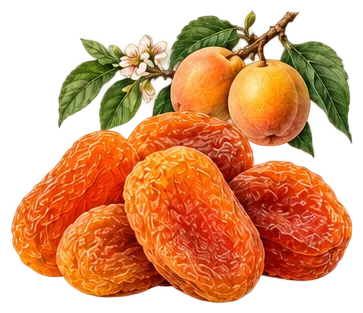
Market reports describe Turkish organic dried apricots as retaining their premium in early November 2026, with limited downside for high-grade organic export fruit. Sulphured fruit sold FOB Mersin has eased modestly. Turkish-origin fruit sold FCA in Europe has also softened, particularly smaller calibres. In Dordrecht, prices showed signs of stabilisation, edging higher week on week while remaining slightly lower month on month. Organic fruit is showing relative resilience within the wider adjustment, not immunity to easing. The commercial distinction is important: softer conventional business gives buyers a different negotiating background, while suppliers of premium organic fruit are facing less downward pressure than sellers of standard sulphured grades.
More Turkish supply meets selective buying
Trade reports describe a healthier Turkish harvest in 2026 than the frost-reduced crop of 2025, leaving physical crop supply more comfortable. The fruit has been harvested and dried. European industrial and retail buying remains selective, with purchases concentrated on nearby requirements. November 2026 export flows have slowed after strong October 2026 activity, although shipments continue at a reasonable pace. Exporters have become more flexible in negotiations, while Turkish growers’ local prices remain relatively firm, especially for better grades. That resistance is described as limiting further export-price declines. More comfortable crop supply therefore meets a market where destination buyers are taking only what they need nearby.
Industry sources said in September 2026 that carry-in and supplemental supply from Kazakhstan and Uzbekistan had supported the preceding Turkish season. Frost damage in those origins was expected to reduce their supplemental contribution to the new season. That counterweight concerns broader origin supply; it does not establish a shortage of certified organic fruit.
Uzbekistan exported less dried-apricot tonnage in January–September 2026 than in January–September 2025, despite higher export earnings. The smaller shipment flow adds a separate constraint to the competing-origin picture.
Certification defines EU organic access
Market reports state that EU organic sales of dried fruit require adherence to the bloc’s organic rules, including certification from an EU-recognised control body. Each consignment also requires an electronic inspection certificate before it leaves the exporting country. EU release and sale as organic are barred when the consignment lacks a valid certificate. Within Dutch organic imports specifically, both the importer and the first business receiving the goods after customs clearance require the relevant national organic certification. The commercial chain therefore extends beyond the exporting supplier. Physical product specifications describe the fruit being bought; certification and the shipment certificate establish its eligibility for the organic channel. That makes documentary eligibility a separate condition of the transaction, regardless of how the organic premium moves.
Seasonal support remains an expectation
Trade reports’ early-November 2026 outlook put conventional sulphured FOB business broadly steady to slightly softer, with organic and high-grade unsulphured fruit mostly steady but carrying a minor easing bias. The FCA Dordrecht outlook was sideways, conditional on export demand absorbing the larger crop. Later in November, mild downside was likewise expected only if buying remained subdued. New Year consumption and subsequent Ramadan demand are expected to lift offtake, leaving prospective seasonal support alongside immediate demand pressure.
Industry sources describe expectations of possible public purchases if prices fall too far as reinforcing producer resistance to discounts. No intervention decision has been announced in that account. Suppliers therefore have an expectation of support, not an assured floor; buyers face conditional easing, not a guaranteed further decline.
Market Reading
For buyers, access to an EU organic programme depends on eligible supply as well as the fruit’s physical specifications; wider easing offers no uniform organic cost reduction. Suppliers’ participation in that channel rests on the same certification chain, without guaranteeing protection of the premium. Our watch points are certificate readiness for upcoming organic shipments, how the premium behaves next, and whether destination offtake strengthens over the coming weeks.